

Arturo Ordoñez
Supervised AI workflows for the work your team keeps repeating.
I help founder-led teams turn specific manual loops into installed workflows with a clear input, a review path, and an output the team can trust.

Preview the first install before you send the workflow.
Pick the repeated work, the risk, and the output your team needs. The preview turns that messy loop into a first install diagnosis: bottleneck, supervised path, human review, and QA gate.
Reporting loop + Handoff drag
Updates are copied across tools, rewritten for clients, and reviewed too late to catch drift.
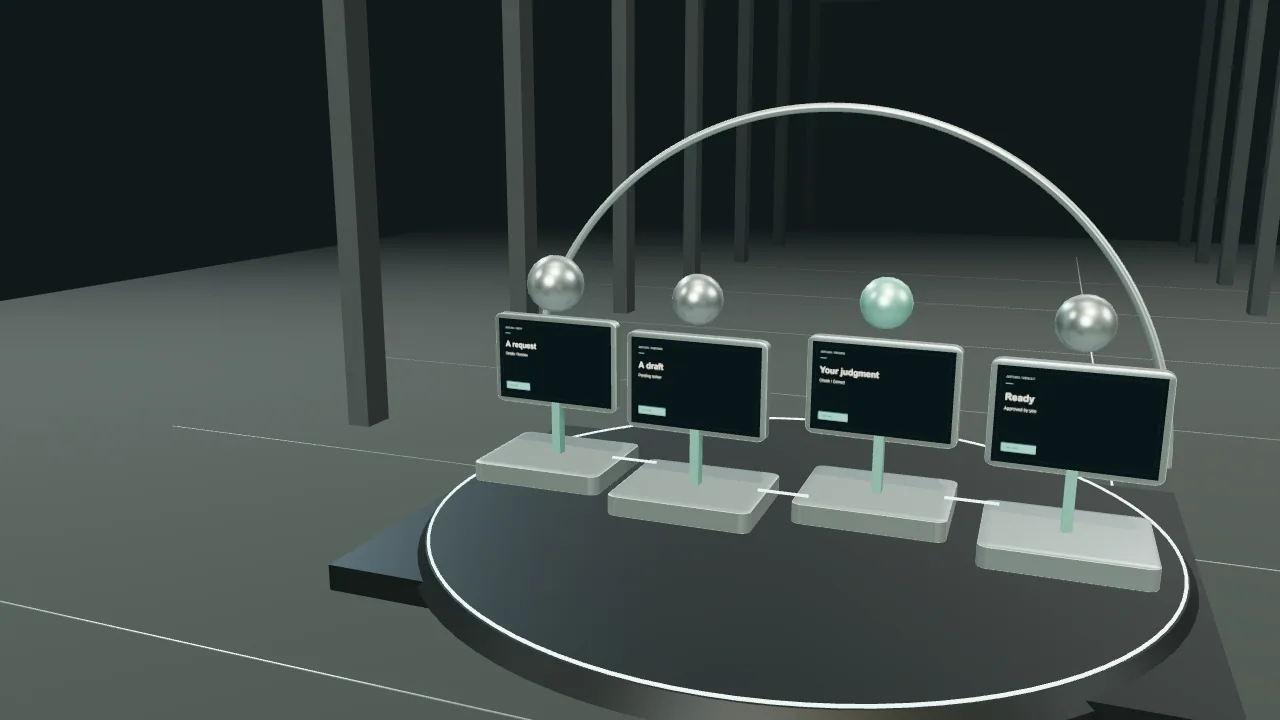
Install one intake, one supervised draft, and one source-check before the report reaches the owner.
The owner approves exceptions, tone, and final claims instead of rebuilding the report by hand.
Compare source fields, missing inputs, and promised next steps before the report leaves the team.
A draft the owner can inspect, correct, and approve without trusting a black box.
Send this workflowOperational systems, not AI decoration.
Serious buyers need to see how judgment moves through a workflow: what gets diagnosed, what stays human, what gets checked, and what handoff proves the system can run again.
Paperclip company rollout
Configured 167 agents, tested handoffs, audited execution quality, and removed the setup once the operating cost outweighed the value.
Compact delivery squad
Used a compact delivery squad to move implementation, QA, release notes, and lifecycle cleanup through one real cycle.
YouTube production engine
Turned a fragile content pipeline into a production loop with rendering rules, motion constraints, QA, and publishing prep.
Workflow intake path
An intake path that turns owner, handoffs, failure points, and target output into a first install diagnosis.
From bottleneck to supervised install path.
The offer is intentionally narrow: diagnose the work that leaks time, install the first supervised path, add visible QA, and hand it to an operator who can run it.
Input: one recurring workflow with owner, tools, handoffs, and failure points. Output: the narrow install path and keep-human decisions.
One recurring workflow with its owner, tools, handoffs, failure points, and current output.
A short diagnosis of what to automate, what to keep human, and the first install path.
Reduces the risk of building an impressive AI layer around the wrong bottleneck.
Input: diagnosed workflow, examples of good and bad outputs, approval rules, and tool boundaries. Output: a supervised working path.
The diagnosed workflow, sample inputs, sample outputs, approval rules, and tool boundaries.
A supervised workflow with intake, execution, review, approval, exception handling, and operator notes.
Reduces silent automation failure by keeping each agent step inspectable and reversible.
Input: a backlog item, release flow, or delivery handoff leaking time. Output: agent support for planning, QA, notes, and follow-through.
A backlog item, release flow, or delivery handoff where planning, QA, or release notes are leaking time.
Agent-supported planning, implementation checks, QA passes, release notes, and delivery follow-through.
Reduces missed edge cases, unclear ownership, and last-mile release churn.
Input: a repeatable content format, sources, asset needs, review rules, and cadence. Output: a production loop from research to publishing prep.
A content format with sources, script expectations, asset needs, rendering rules, review steps, and cadence.
A repeatable production loop for research, scripts, assets, rendering, QA, and publishing prep.
Reduces one-off AI content that cannot be reviewed, reproduced, or shipped consistently.
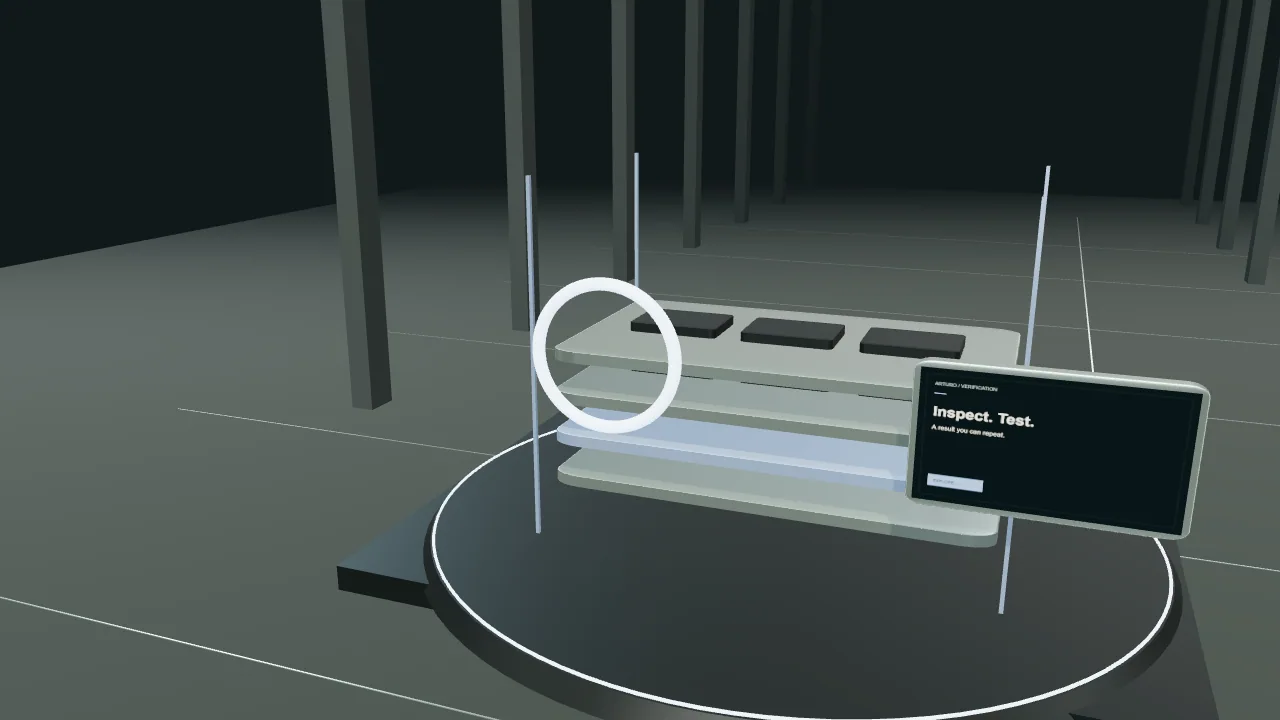
Input: outputs that need accuracy, brand fit, security constraints, or human approval. Output: checks, gates, escalation rules, and logs.
A workflow where outputs need accuracy, brand fit, security constraints, or human approval.
Checklists, review gates, escalation rules, and logs for what the system did and why.
Reduces hallucinated approvals, hidden errors, and unclear accountability.
Input: a working path that needs to survive outside the builder. Output: runbooks, owner training, maintenance notes, and expansion rules.
A working workflow that needs to survive outside the builder and become part of team operations.
Runbooks, owner training, maintenance notes, and a small change log for future expansion.
Reduces dependency on a black-box setup no one on the team can operate.
Install one workflow, then let proof decide what expands.
The first move should be small enough to inspect and useful enough to earn trust: one input, one owner, one review gate, one output the team can actually use.
Diagnose the real workflow
Collect examples, current owner, tools, handoffs, failure points, and the output that proves the work is done.
Install the narrow path
Build the intake, execution, review, approval, and exception path around one outcome before adding surface area.
Harden before expanding
Run real samples, tighten QA, document operator steps, and expand only after the first path earns trust.
What you get after the first workflow review.
The first response should make the next move smaller, clearer, and easier to inspect: what to keep human, what to systemize, and what artifact proves the install is worth it.
What the first step produces
- A named bottleneck with owner, examples, and current cost
- A keep-human vs. automate split
- A first install path with expected input, output, and review gate
Engagement rules
- Bring one stuck workflow, sample inputs, and the output your team needs.
- I separate system work from judgment calls that should stay human.
- The first deliverable is a supervised path your team can inspect, run, and improve.
- Founder-led teams with one recurring workflow costing hours every week
- Operators who can provide examples, failure cases, and approval criteria
- Teams willing to launch narrow, review the output, and improve it before expanding
- AI workshops with no operational owner
- Generic chatbots disconnected from business process
- One-shot demos that do not need maintenance, QA, or supervision
Send the workflow that keeps leaking attention.
Bring one recurring workflow with real handoffs, failure points, and the output your team needs. The response starts with a first install diagnosis, not a generic AI pitch.